



Lymphatic Drainage Brush: How to Dry Brush for Lymph Flow
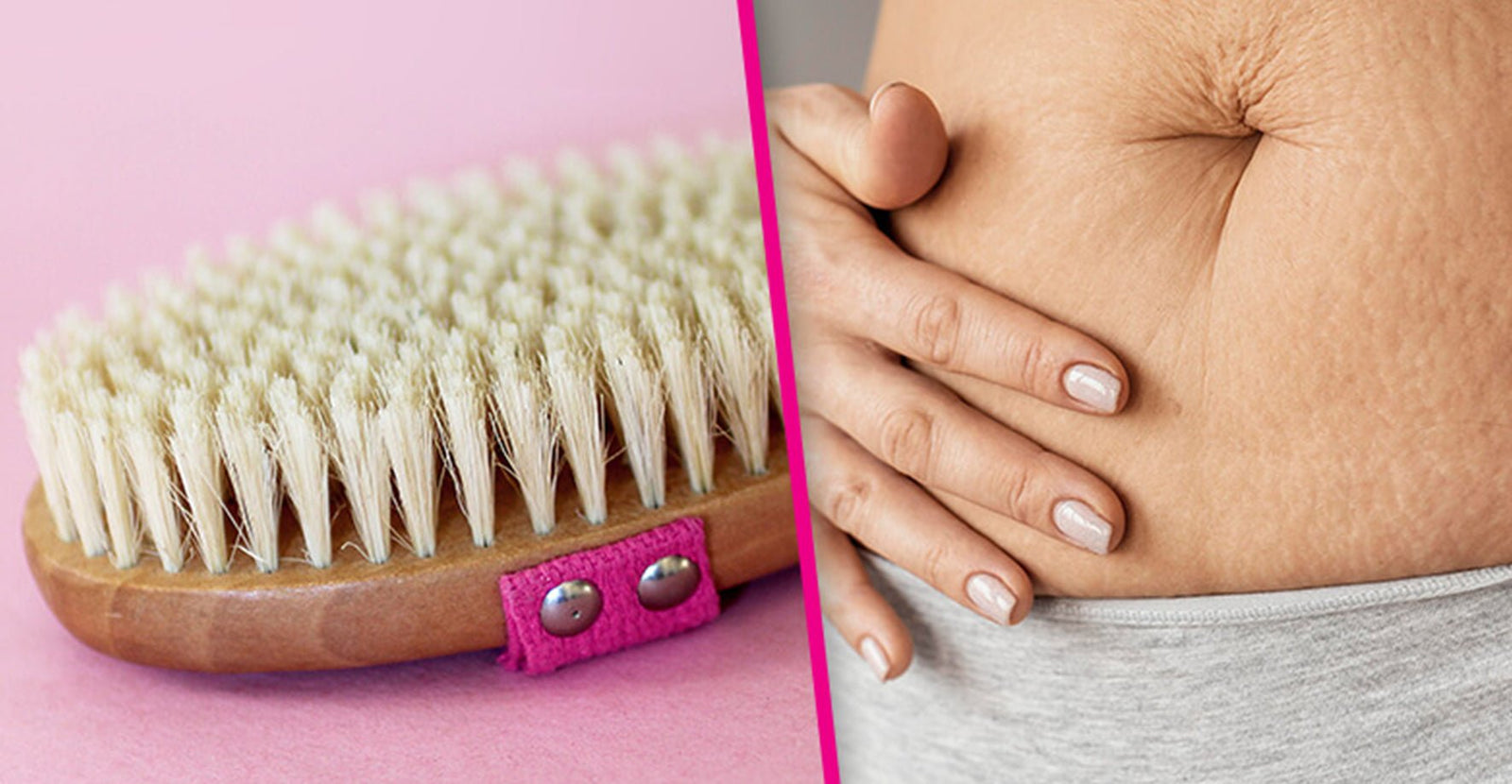
A lymphatic drainage brush is a dry, natural-bristle body brush you sweep over bare skin before a shower, always in the direction of your lymph nodes. It exfoliates properly, leaves skin noticeably softer, wakes up circulation at the surface and takes about four minutes. Here is how to use one, which direction to brush, how hard to press, who should skip it, and what dry brushing honestly can and cannot do.
What is a lymphatic drainage brush?
It is a firm, dry brush, usually stiff natural bristles set in a wooden head, used on dry skin rather than in the bath. The name comes from the technique rather than the tool: you brush toward the clusters of lymph nodes at the neck, underarms, groin and behind the knees, the same directions a therapist works in during a manual lymphatic drainage massage.
Our Luxe Wooden Body Brush is the version we make, with a sturdy bristle head that is firm enough to exfoliate but still comfortable on the thinner skin of the inner arms and stomach. It sits in our De-Puff & Drain collection alongside the serums and balms most women pair it with.
Lymphatic brush, dry brush, body brush: is there a difference?
Not really. The same brush is sold under all three names. What changes is the technique. Used in circles for scrubbing, it is an exfoliator. Used in long strokes toward the lymph nodes, it becomes part of a drainage routine. The tool in your hand is identical.
What dry brushing actually does
We would rather be straight with you here than repeat what everyone else writes.
- It exfoliates, reliably. This is the part nobody argues with. Brushing lifts away dead surface cells, which is why legs feel smoother the same day and why body oil sinks in better afterwards.
- It brings blood to the surface. The pink flush you see is real, temporary, local circulation. Skin looks brighter for a while.
- It gives you an excuse to touch your own skin for four minutes. Underrated. Most women who stick with dry brushing say the routine itself is what they keep coming back for.
- It may help lymph move at the surface. The lymphatic vessels that matter here sit just under the skin and are moved by gentle pressure and by muscle activity, which is the rationale for brushing toward the nodes. It is a reasonable rationale. It is not a proven one.
What it does not do: remove toxins from your body, burn fat, or get rid of cellulite. Brushing can make skin look temporarily smoother and plumper, which softens the appearance of dimpling for an hour or two. That is a cosmetic effect, not a structural one.
Where the evidence actually stands
There are no clinical trials on dry brushing with a body brush for lymphatic flow. What has been studied is manual lymphatic drainage, the hands-on technique performed by trained therapists, and even there the picture is mixed. A 2024 review in the British Journal of Community Nursing by Francesca Ramadan concluded that the literature on the efficacy of manual lymphatic drainage is often contradictory and that adding it is not always necessary (Br J Community Nurs 2024;29(2):83-84). The large EFforT-BCRL randomized trial found that manual lymphatic drainage did not substantially improve the effect of decongestive therapy in women with breast cancer-related lymphoedema (Journal of Physiotherapy 2022;68(2):110-122).
If the professional version has modest and debated effects, a brush in your own bathroom is not going to do more. So treat a lymphatic drainage brush as what it demonstrably is: an excellent exfoliator and a calming daily ritual, with a plausible but unproven nudge to surface circulation. That is still worth four minutes.
How to use a lymphatic drainage brush, step by step
- Start dry, before you shower. Skin and brush both completely dry. Undress and stand in or beside the tub, because this makes a mess.
- Begin at the feet. Long, light strokes up the top of the foot, then the shin, then the thigh, always upward toward the groin. Five to seven strokes per area is plenty.
- Work up the second leg the same way, then the buttocks and hips, still stroking up.
- Do the arms from the hands in. Stroke from the fingers up the forearm toward the elbow, then from the elbow up toward the underarm.
- Brush the stomach gently, clockwise. Light pressure only. Then sweep up toward the heart.
- Finish at the chest and neck, stroking down the neck and in toward the collarbones. This is the softest skin on the route, so ease off.
- Shower, then oil straight away. Freshly exfoliated skin absorbs a body serum far better, and this is the point where most of the benefit actually lands.
Which direction do you brush?
Toward the heart, and toward the nearest cluster of lymph nodes. Limbs are brushed inward and upward: feet to groin, hands to underarm. The neck is the one exception, brushed downward toward the collarbones, because that is where lymph drains back into the bloodstream.
How much pressure?
Much less than you think. The lymphatic vessels people are aiming at sit millimeters under the skin, so heavy scrubbing works against you rather than for you. You want the skin to turn faintly pink, not red, and it should never sting. If you are leaving scratch marks, you are pressing far too hard or the bristles are too stiff for that part of your body.
How often?
Two to four times a week suits most skin. Daily is fine if your skin is robust and you keep the pressure light. If you notice flaking, tightness or irritation, drop back to twice a week and moisturize more.
What to apply afterwards
This is where the routine earns its keep. Brushing clears the surface, and whatever you put on next has an easier job.
- For a full-body massage, our LYMPH Lymphatic Drainage Serum is built for this: castor, grapeseed, sweet almond and jojoba oils with calendula, ginger, juniper berry and petitgrain, massaged in slow upward strokes toward the neck, underarms, abdomen, inner thighs and behind the knees.
- For a richer finish on dry legs, the Lymphatic Drainage Body Balm is the same botanical direction in a tallow and shea base, so a little goes a long way.
- For underarms at night, a small amount of a nighttime balm massaged toward the center of the chest. Our guide to the overnight underarm routine covers that in detail.
If you want the reasoning behind the oils rather than the brush, our piece on how castor oil supports lymph flow goes through it properly, and how massage supports the body covers the hands-on side.
Who should skip dry brushing
Dry brushing is not right for everyone, and the risks are almost all skin risks rather than dramatic ones.
- Broken, cut, sunburned or freshly shaved skin. Wait until it has fully recovered.
- Eczema, psoriasis, rosacea or any inflamed rash. Brushing over an active flare makes it worse. Ask your dermatologist before you start.
- Very dry or thin skin. Brush less often, press lighter, and moisturize every time.
- Moles, skin tags, varicose veins and any area that is bruised or tender. Brush around them, not over them.
- Diagnosed lymphedema, or a history of lymph node removal or radiation. This needs a trained lymphedema therapist, not a body brush. Talk to your care team first.
- Pregnancy. Fine on the legs and arms with light pressure, but skip the stomach and check with your provider.
Talk to your doctor rather than reaching for a brush if you have swelling in one limb but not the other, swelling that does not settle overnight, skin that is hot, red or painful, or any new lump near a lymph node. Those are worth identifying properly.
Looking after the brush
Rinse the bristles in warm water once a week, shake it out, and leave it bristles-down somewhere airy to dry. Never soak a wooden head or leave it in the shower. Replace the brush when the bristles splay out and stop springing back, usually around the year mark.
What to realistically expect
Smoother legs after the first session, every time. Skin that takes oil better, immediately. A calmer, more deliberate start or end to the day, if you actually slow down while you do it. Over a few weeks, skin that looks more even and feels softer. What you should not expect is weight change, a flatter stomach or cellulite disappearing. Anyone promising that is selling you something.
Frequently asked questions
What is a lymphatic drainage brush?
It is a firm, dry natural-bristle body brush used on bare, dry skin before showering, with strokes directed toward the lymph nodes at the neck, underarms, groin and behind the knees. It is the same tool as a dry brush or body brush; the name describes the technique.
Which direction do you brush for lymphatic drainage?
Toward the heart and toward the nearest lymph node cluster. Brush the legs upward toward the groin, the arms from the hands toward the underarm, the stomach gently clockwise then upward, and the neck downward toward the collarbones.
How often should you use a lymphatic drainage brush?
Two to four times a week suits most people. Daily is fine if your skin tolerates it and you keep the pressure light. Cut back if you see flaking or irritation.
Does dry brushing really help lymphatic drainage?
Honestly, the evidence is thin. There are no clinical trials on body brushes, and even professional manual lymphatic drainage has mixed results in the research. What dry brushing reliably does is exfoliate, bring blood to the surface and give you a few minutes of calm. Treat the lymph benefit as plausible rather than proven.
Should you dry brush before or after a shower?
Before, on completely dry skin. Shower afterwards to rinse away the loosened cells, then apply a body serum or balm while the skin is still warm.
Can dry brushing get rid of cellulite?
No. It can make skin look temporarily smoother and more even, which softens the appearance of dimpling for a short while, but it does not change the structure underneath. Cellulite is normal and extremely common.
This article is for general information and is not medical advice. Speak with your doctor or dermatologist before dry brushing if you have a skin condition, lymphedema, or a history of lymph node removal.


