



Castor Oil in Belly Button: Benefits and How to Do It
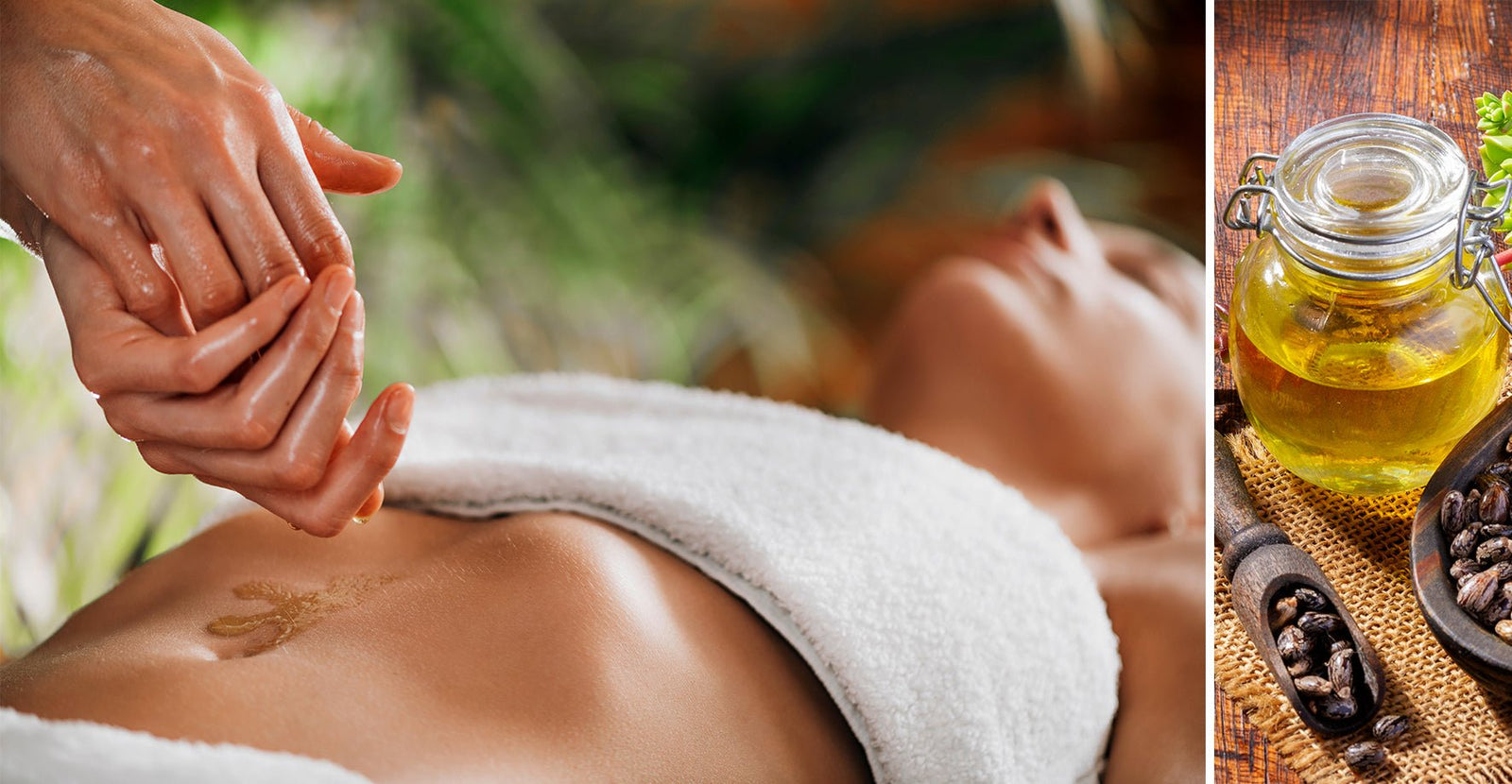
Castor oil in the belly button, also called navel oiling, is a simple nightly ritual: a few drops of castor oil massaged into the navel and the skin around it before bed. People use it for a calmer, less bloated-feeling belly, softer skin and a slower wind-down at the end of the day. Here is where the practice comes from, what it may and may not do, how to do it properly, and who should skip it.
What is navel oiling?
Navel oiling comes from Ayurveda, where the navel is treated as a central point connected to the rest of the body. The traditional practice, sometimes called nabhi purana, is to warm an oil in your hands and massage it into the navel and the surrounding abdomen in slow circles.
Castor oil is the oil most people reach for. It is pressed from the seed of the Ricinus communis plant, and it is unusually thick and rich in ricinoleic acid, a fatty acid that makes up roughly 90% of the oil. That thickness is why it sits on the skin, softens it, and makes it easy to massage slowly without needing to keep reapplying.
It is worth being clear from the start: navel oiling is a comfort ritual and a skin-care habit. It is not a medical treatment, and the oil does not travel through the navel into your organs.
Benefits of castor oil in the belly button
A calmer, less bloated-feeling belly
The part most people actually feel is the massage. Slow, circular abdominal massage is a long-standing way to ease a tight, full, heavy-feeling stomach, and the oil is what makes that massage comfortable. Many customers tell us the belly feels softer and less tense after a few nights of it.
Softer skin across the stomach
Castor oil is occlusive, meaning it slows water loss from the skin. On the belly, where skin can get dry and tight, it leaves things noticeably smoother. This is the most reliable, least debatable benefit of the whole ritual.
A gentler wind-down before bed
Taking three or four minutes to sit still and massage your own stomach is a small, real nervous-system cue that the day is over. Plenty of women keep the habit purely because it helps them slow down, not because of anything the oil is doing.
Comfort during your period
Warm abdominal massage is something many women already do instinctively during their cycle. Castor oil makes it easier, and a warm compress over the top makes it nicer still. It is a comfort measure, not a painkiller, and it is no substitute for care if your periods are severe.
What the evidence actually says
Here is the honest picture. Ricinoleic acid, the main fatty acid in castor oil, has been studied for anti-inflammatory activity in laboratory and animal models, including a 2000 paper in Mediators of Inflammation, "Effect of ricinoleic acid in acute and subchronic experimental models of inflammation." That research is about the isolated fatty acid in experimental models, not about people rubbing oil on their navel.
There is no human trial showing that castor oil applied to the belly button reaches your liver, your gut or your lymphatic system, and anyone telling you otherwise is ahead of the science. What we do have good reason to expect is the skin-softening effect and the comfort of the massage itself. If that is what you are after, the ritual delivers. If you need something treated, see a clinician.
How to do navel oiling, step by step
- Clean the area. Warm water is enough. Pat the skin dry.
- Warm the oil. Put three to five drops in your palm and rub your hands together for a few seconds. Warm oil feels better and spreads more easily.
- Fill the navel first, then work outward.
- Massage in slow circles for two to three minutes, moving clockwise around the belly button. Keep the pressure light; this is not a deep-tissue massage.
- Add a warm compress if you like. Ten to twenty minutes of gentle warmth over the abdomen makes the ritual far more relaxing and helps the oil absorb.
- Leave it on overnight. Castor oil stains, so wear an old shirt or lay down a towel.
Our HOME Castor Oil Serum was made for exactly this ritual: an organic cold-pressed castor oil base infused with dandelion root, ginger root, green tea, licorice root and triphala, designed to be massaged into the navel and midsection at night. You will find it alongside the rest of our body care in all body treatments.
Navel oiling versus a castor oil pack
These get confused constantly. Navel oiling is a few drops and a short massage, done nightly in a couple of minutes. A castor oil pack is a cloth saturated with oil, laid over the abdomen and covered, usually for 30 to 60 minutes, a few times a week. The pack is the bigger commitment and the warmer, more restful experience; navel oiling is the one you will actually keep up on a Tuesday night. Many women do both. If you want the full method, read our guide to castor oil packs.
How to choose your castor oil
- Cold-pressed and hexane-free. Heat and solvents are used in cheaper extraction and are worth avoiding on skin.
- Packaged in glass, preferably dark glass, and stored somewhere cool.
- Nothing added that you did not ask for, especially fragrance.
Who should skip it, and when to talk to your doctor
- Pregnancy. Castor oil taken by mouth is known to stimulate labor. Topical use is a different thing, but ask your provider before using it on your abdomen while pregnant.
- Broken skin, a fresh piercing or a healing scar anywhere near the navel: wait.
- Sensitive or reactive skin. Patch test on your inner arm and wait 24 hours.
- Never swallow it as part of this ritual. Castor oil is a stimulant laxative when taken orally and that is an entirely separate thing with its own risks.
Talk to your doctor rather than reaching for oil if you have belly pain that keeps coming back, a change in your bowel habits that lasts more than a couple of weeks, unexplained weight loss, persistent bloating, or periods severe enough to disrupt your life. An evening ritual is lovely, and it is not a diagnosis.
What to realistically expect
Softer skin on the first night. A more relaxed bedtime within a few days, if you actually take the three minutes. A belly that feels less tight over a couple of weeks of consistency, for many people but not all. Nothing dramatic, and nothing overnight. If you go in expecting a comfortable habit rather than a cure, you will not be disappointed.
If puffiness is your main concern, the ritual pairs naturally with gentle lymphatic massage. Our castor oil lymphatic drainage serum guide covers that side, and how stress sabotages your digestion is worth reading if bloating tends to follow your stressful weeks.
Frequently asked questions
What does castor oil in the belly button do?
Used as a nightly ritual, it softens the skin of the abdomen and makes a slow, calming belly massage comfortable. Many women find their stomach feels less tight and bloated afterwards. It does not travel through the navel into your organs.
How long should I leave castor oil in my belly button?
Most people leave it on overnight. If you would rather not sleep in it, 30 minutes with a warm compress is plenty. Wear something you do not mind staining.
How often should I do navel oiling?
Nightly is fine for most skin. If you are new to it, start with three or four nights a week and see how your skin responds.
Does castor oil in the belly button help with bloating?
It may help you feel less bloated, mostly through the massage and the warmth rather than the oil itself. It is a comfort measure, so if bloating is persistent, see your doctor.
Can I do navel oiling while pregnant?
Ask your healthcare provider first. Castor oil taken orally is known to stimulate labor, and while topical use is different, the abdomen is not the place to experiment during pregnancy.
Which castor oil is best for the belly button?
Organic, cold-pressed and hexane-free, in glass, with no added fragrance. Our HOME serum uses that kind of base with digestive botanicals infused into it.
This article is for general information and is not medical advice. Talk to your doctor about any ongoing digestive, menstrual or abdominal symptoms.


